
Winter-proof
Road salt, slush, oil and hot tires that eat bare concrete wipe off a sealed epoxy floor.

 Bathrooms Bathroom Remodeling Custom tile showers, bathroom floors and the waterproofing behind them.
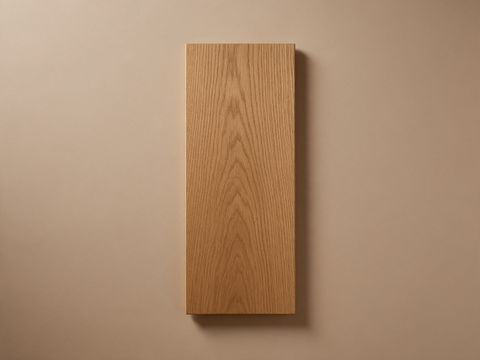 Hardwood Solid & engineered, refinishable for decades.
 Vinyl & Laminate Waterproof wood-look LVP, fast floating install.
 Tile Porcelain & ceramic floors, showers, backsplashes.
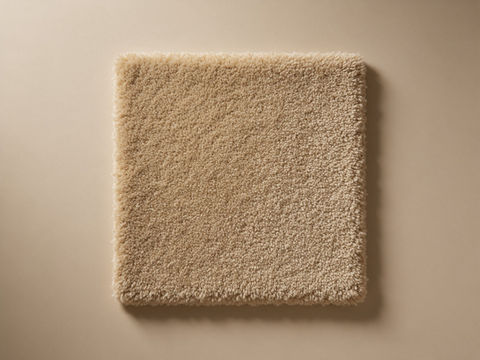 Carpet Wall-to-wall, stretched tight over the right pad.
 Epoxy Seamless coated concrete for garages & commercial.
 Stairs & Refinishing Treads, risers and sand-and-finish on existing wood.
Licensed, insured epoxy flooring contractors installing garage floor epoxy, basement epoxy, and commercial epoxy and polyaspartic coatings — diamond-ground, patched and sealed — for homes, restaurants, warehouses and showrooms in Boston, Newton, Brookline, Winchester, Lexington and Greater Boston.

Real jobs by Lino's crew
See all our work


01 — What you get
A good epoxy floor is 80% prep. Our installers diamond-grind the slab, fill cracks and spalls, test for moisture, then build a multi-coat system — epoxy base, decorative flake or solid color, and a chemical-resistant polyaspartic or urethane topcoat. Hot tires, road salt, oil and dropped tools stop being a problem.


Brands we install

02 — Why epoxy
Why garages, basements and commercial kitchens keep switching to coated concrete.
Road salt, slush, oil and hot tires that eat bare concrete wipe off a sealed epoxy floor.
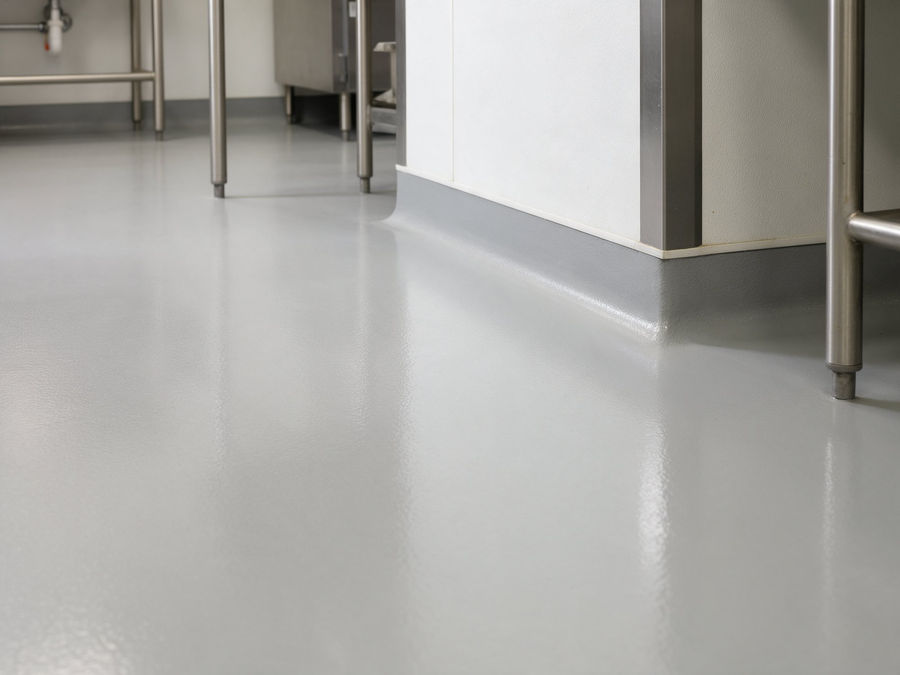
No grout, no seams, no place for grease or dust to hide — which is why commercial kitchens and clinics specify it.
A light flake or solid epoxy floor bounces light around a garage or basement and takes an anti-slip additive for wet areas.
A finished garage floor is one of the few upgrades buyers notice from the driveway — and it turns dead space into usable space.
03 — Options
We bring samples to the estimate so you see them in your light.
Full or partial vinyl flake broadcast in dozens of blends. Hides dust, adds grip. The garage standard.
Clean, single-color floors for workshops, basements and showrooms. Safety lines and logos available.
Marbled, one-of-a-kind finishes for showrooms, salons and finished basements.
Fast-cure, UV-stable and chemical-resistant systems for kitchens, warehouses and retail — often installed over a weekend.
Material & detail
A good epoxy floor is mostly preparation — then flake, then a clear topcoat.


04 — How it goes
We inspect the slab, test moisture and talk finish and use. Itemized quote in writing.
Diamond grinding opens the concrete; cracks, spalls and joints are filled.
Primer, epoxy base coat, flake or color, then the protective topcoat.
Walk on it in 24 hours, park on it in 3–5 days. Walkthrough with you.
05 — Questions
A typical two-car garage in Greater Boston runs roughly $2,500–$5,000 for a full-flake system depending on slab condition and topcoat. Commercial floors are quoted per square foot. Estimates are free and itemized.
Most residential garages take 2–3 days including cure. Polyaspartic systems can be done in 1–2 days. You can walk on the floor in 24 hours and park in 3–5 days.
Not when the slab is diamond-ground and moisture-tested first, and a polyaspartic or urethane topcoat is used. Peeling comes from acid-etched DIY kits, not professional systems.
Yes. We use moisture-mitigating primers for New England basement slabs, then a solid or flake system that turns a damp, dusty basement into clean, usable space.
Flake floors have natural texture. For solid colors and wet areas we add an anti-slip aggregate to the topcoat.
Yes — commercial kitchens, warehouses, retail, clinics and showrooms, including cove base and safety striping. Nights and weekends available to keep you open.
It is one of the few garage upgrades buyers notice immediately, and it turns a garage into usable square footage — a common tipping point in Boston listings where storage is scarce.
Yes. Financing is available on flooring projects — ask about current options at the estimate.
Free in-home estimate, itemized in writing. Financing available.
Free estimate
Tell us about the room. Jose calls back to set a time for a free in-home measure.
Thanks, . Jose will call or text within one business day.